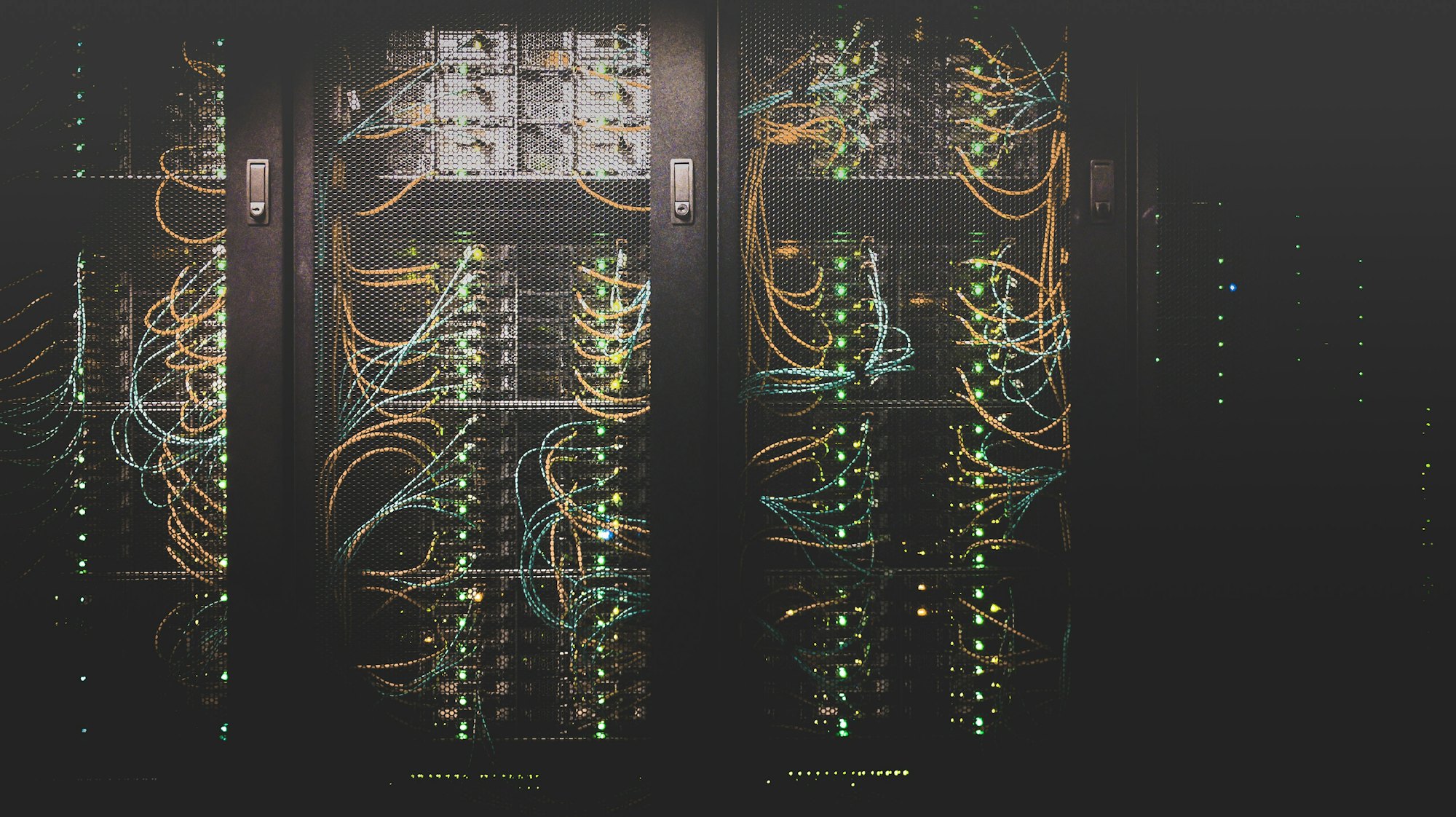
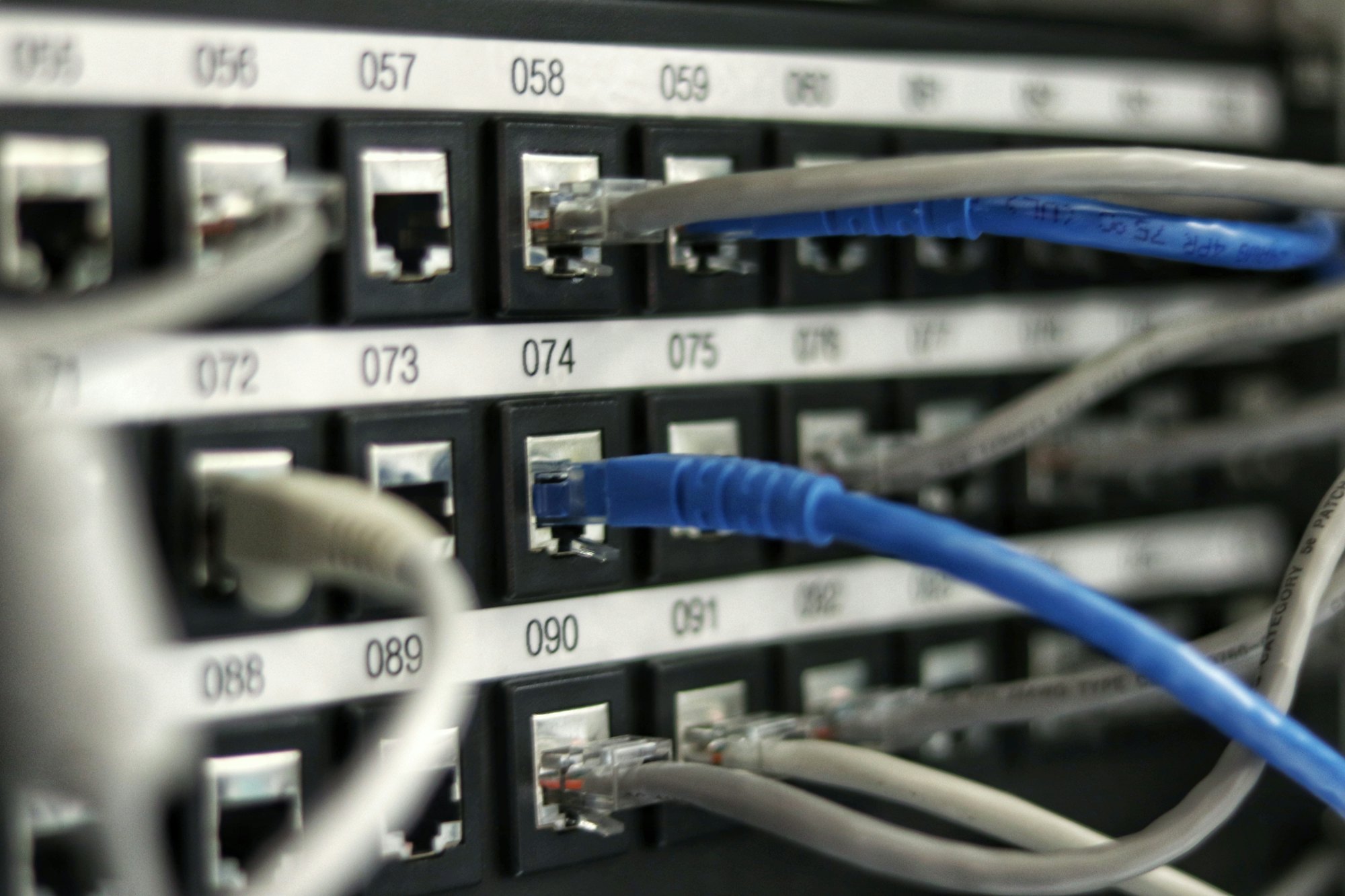
Fig. 01 / From process to automationDiscover / design / integrate / operate
Design, build and integrateOne connected operation
Solutions
Less repetition. More operational clarity.
We start with the way your organization actually works, identifying repetitive tasks, disconnected data and operational bottlenecks. Then we design automation around your people, systems and measurable goals.
Business systemsIndustrial systems
ERPEnterprise resources
CRMCustomer workflows
Document systemsApprovals & records
Your operationsCustom integration
MES & SCADAProduction visibility
IoT & sensorsOperational data
API & databasesSystem integration
Our process
Four steps. One clear outcome.
From process discovery to deployment and handover, we turn operational requirements into a maintainable software solution.
01
Discuss your project
Map existing workflows, systems, stakeholders and constraints. Define the scope, success criteria and integration requirements together.
Discovery & scope
02
Design the solution
Design the architecture, workflows, interfaces and data model. Validate the proposed solution with the people who will use it.
Architecture & prototype
03
Develop and integrate
Implement automation, integrate approved interfaces, test scenarios and handle exceptions before rollout.
Development & testing
04
Deploy and improve
Roll out in agreed stages, document the solution, train users and define support and improvement priorities.
From purchase approvals and document routing to production reporting and maintenance workflows, Runbot designs software around the tasks your teams repeat every day.
These illustrative scenarios show how workflows can connect requests, rules, data and responsible teams. Actual integrations depend on project requirements.
office__approval
office__report
production__status
production__report
maintenance__ticket
maintenance__alert
Workflow demoRunbot automation
RequestRunbotYour operations
Capabilities
Engineered for your operations.
Our services span workflow design, custom development, system integration and operational visibility, with security and maintainability considered throughout.
01
Office automation
Digitize requests, approvals, correspondence, document routing and recurring administrative tasks.
BPM / workflows
02
Industrial automation software
Build monitoring, production reporting and supervisory workflows around approved industrial interfaces and existing control systems.
MES / SCADA / IoT
03
System integration
Connect ERP, CRM, databases and internal services through documented APIs and agreed data contracts.
API / data sync
04
Custom dashboards
Turn operational data into role-based dashboards, KPIs and reports that support day-to-day decisions.
KPI / reporting
05
Alerts and orchestration
Route events and exceptions to the right teams, with escalation rules, notifications and traceable status.
Events / notifications
06
Process engineering
Document current processes, design future workflows and define testable acceptance criteria before implementation.
Analysis / design
07
Intelligent automation
Use rules, document processing and AI-assisted classification where useful, with review and validation for critical decisions.
Rules / AI / RPA
08
Lifecycle support
Plan monitoring, documentation, versioning and improvements according to the agreed support scope.
Maintainability
Security by design
Reliable systems start with clear boundaries.
Automation should improve control, not remove it. Access, data protection and operational safety are design requirements. For industrial projects, integrations are scoped with the responsible engineering and operations teams.
Intelligent workflows
Our design principles
Defined access with role-based permissions where appropriate.
Traceable workflows with records of important events and decisions.
Controlled integration using agreed interfaces and validated data.
Boundaries we respect
Unapproved access is outside the project scope.
Safety-critical control must remain with approved, validated control systems and responsible specialists.
Uncontrolled changes are avoided through review, testing and rollout plans.
Least privilege
Define users, services and permissions based on operational requirements.
Data governance
Agree on data ownership, storage, retention and access rules.
Auditability
Record important events and decisions for troubleshooting and accountability.
Resilience
Plan recovery, exception handling and backup requirements with your team.
Change control
Review, test and approve changes before production rollout.
Industrial boundaries
Keep supervisory software separate from safety interlocks and validated control logic.
Project-specific safeguards: Security, safety and compliance requirements are agreed during discovery and verified against the project scope. No certification or universal compatibility is implied.
Engagement
A collaboration model that fits your project.
Scope, timeline, integrations and support requirements determine the proposal. We do not advertise fixed prices without understanding your needs.
Office and industrial workflows have different constraints. Our approach adapts to each environment rather than forcing one product on every organization.
Office and industrial automation service matrix
Capability
Office operations
Industrial operations
Shared foundation
Workflow automation
Requests and approvals
Work orders and exceptions
Rules and routing
Data integration
ERP and CRM records
MES and sensor data
Validated interfaces
Reporting
Finance and administration
Production and downtime
Dashboards and KPIs
Alerts
Deadlines and approvals
Maintenance and anomalies
Escalation rules
Access control
Departmental permissions
Operational roles
Least-privilege design
Delivery
User acceptance testing
Staged validation
Documentation and support
Questions
Good questions, clear answers.
Explore the scope, integration options and delivery approach before starting your project.
What kinds of automation do you design?
We focus on custom software for administrative workflows, industrial monitoring and supervisory processes, system integration, reporting and operational tools.
Can you work with our existing systems?
We assess available APIs, databases and approved interfaces first. Integration feasibility is confirmed during discovery.
Do you replace industrial control systems?
Our focus is software integration and supervisory workflows. Safety-critical control remains with validated systems and qualified engineering teams.
How long does a project take?
Timing depends on scope, integrations, data readiness and testing. We agree on milestones after discovery.
How is pricing determined?
A tailored proposal is based on requirements, delivery scope, integration complexity and support needs.
Where can the solution be deployed?
On-premises, private cloud or approved cloud environments can be considered based on security, connectivity and operational requirements.
Do you provide support after delivery?
Maintenance, monitoring, documentation and iterative development can be included in a separately agreed support scope.
How do we start?
Prepare a brief describing the process, existing systems, challenges and desired outcome. Avoid sharing passwords or sensitive operational data.
Start a conversation
Let’s make your operations work better.
Tell us which process takes too much time, creates errors or needs better visibility. Start with a clear project brief.